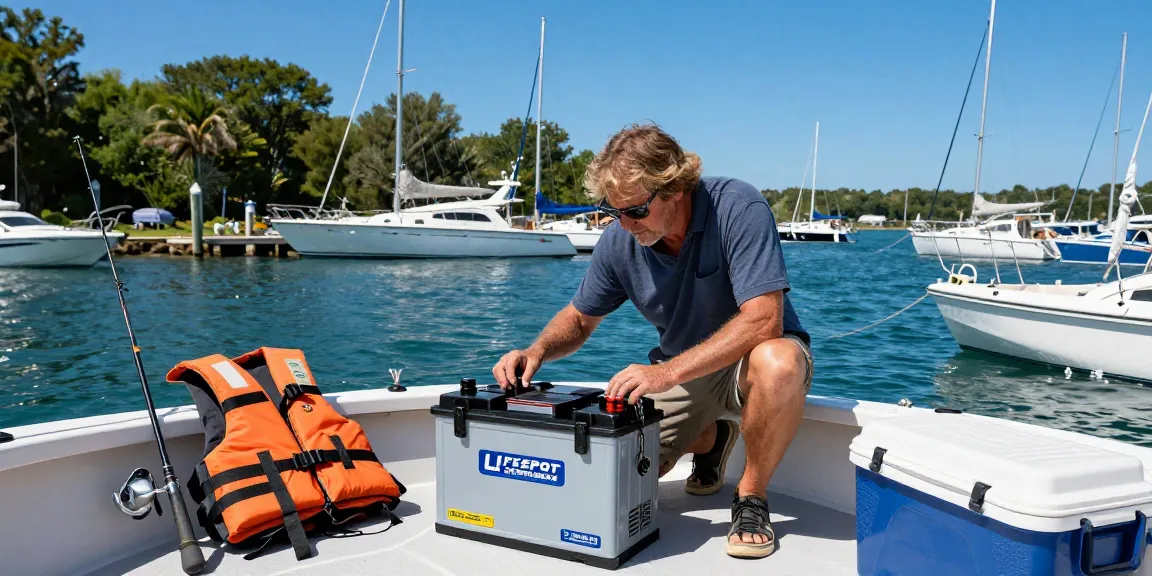
Understanding Batterie LiFePO4 Technology
The landscape of energy storage has seen remarkable advancements, particularly with the emergence of LiFePO4 (Lithium Iron Phosphate) batteries. These batteries are transforming how we approach energy solutions across various industries, especially in marine applications. As boaters seek reliable and efficient power sources, the batterie lifepo4 stands out for its unique advantages and capabilities.
What is Batterie LiFePO4?
Batterie LiFePO4 is a type of lithium-ion battery that uses lithium iron phosphate as its cathode material. This technology not only fuels a portable power revolution but also enhances safety, longevity, and performance compared to traditional battery technologies. LiFePO4 batteries boast high energy density and are renowned for their ability to perform in extreme conditions, making them ideal for marine environments.
Advantages of LiFePO4 Over Traditional Batteries
The advantages of LiFePO4 batteries over traditional lead-acid batteries are numerous:
- Safety: LiFePO4 batteries are less prone to overheating and catching fire, making them safer for users.
- Longevity: They can last up to 5,000 charge cycles, significantly outlasting conventional batteries that typically last only 500 cycles.
- Weight: LiFePO4 batteries are lighter than lead-acid options, reducing overall vessel weight and improving fuel efficiency.
- Efficiency: These batteries have a higher charging and discharging efficiency, allowing for faster recharging and more power to be utilized onboard.
Common Applications in Marine Settings
In the marine industry, LiFePO4 batteries are becoming increasingly popular due to their reliability and performance. Common applications include:
- Electric propulsion systems: For boats utilizing electric motors, LiFePO4 batteries provide necessary power with minimal weight.
- Powering onboard appliances: From refrigerators to navigation systems, these batteries support crucial systems aboard vessels.
- Energy storage for renewable sources: Many vessels are now using solar panels; LiFePO4 batteries efficiently store the energy generated for optimal usage.
Choosing the Right Batterie LiFePO4 for Your Vessel
When selecting a batterie lifepo4 for your boating needs, several factors play a critical role in ensuring you make the best choice.
Factors to Consider When Selecting a Battery
Here are key factors to consider:
- Capacity: Determine the power requirements of your boat to select an appropriate battery capacity measured in amp-hours (Ah).
- Voltage: Ensure compatibility with your boat's electrical system, commonly 12V or 24V configurations.
- Size and weight: Assess the available space on your vessel and choose a battery that fits without compromising weight limitations.
- Cyclic life: Look for batteries with a high cycle life to maximize value over time.
Top Brands and Products in 2026
As we look into 2026, several brands are leading the field in LiFePO4 technology:
- Battle Born Batteries: Known for their high-performance marine batteries, Battle Born’s models are widely praised for reliability.
- RELiON: This brand offers a range of batteries specifically designed for marine applications, focusing on safety and longevity.
- EcoFlow: Specializes in portable power solutions and invests heavily in innovative LiFePO4 technology.
Installation Considerations for Your Boat
Installing a batterie lifepo4 requires some attention to detail. Here are considerations for a successful installation:
- Electrical connections: Ensure proper wiring and connections to prevent voltage drops and guarantee safety.
- Battery management systems (BMS): A good BMS is essential for monitoring battery health and ensuring safe operation.
- Ventilation: While LiFePO4 batteries are safer than traditional batteries, ensuring proper ventilation can help in extending their life.
Best Practices for Maintaining Batterie LiFePO4
Maintenance of your batterie lifepo4 is crucial for long-term performance. Implementing best practices can enhance lifespan and reliability.
Routine Maintenance Tips and Techniques
Regular maintenance should include:
- Periodic checks: Regularly inspect connections for corrosion and tightness.
- Voltage monitoring: Monitoring battery voltage can provide insights into battery health and performance.
- Cleaning: Keep the battery and terminals clean to prevent buildup that can affect performance.
Signs of Wear or Failure to Watch For
Be vigilant about signs indicating potential issues:
- Decreased runtime: If your battery starts to lose charge more quickly than usual, it may be time for a replacement.
- Physical damage: Cracks or bulging in the battery casing can indicate failure and should be addressed immediately.
- Overheating: If the battery becomes excessively hot, it could signify a problem with the battery management system or charging cycle.
How to Extend Battery Life Expectancy
To prolong the lifespan of your batterie lifepo4, consider the following tips:
- Avoid deep discharging: Try not to discharge the battery below 20% to enhance longevity.
- Maintain moderate temperatures: Store and operate the battery in a temperature-controlled environment whenever possible.
- Charge regularly: Regular charging can help maintain battery health and performance.
Real-World Applications of Batterie LiFePO4
The versatility of LiFePO4 batteries is showcased in various real-world applications, particularly in marine settings.
Case Studies of Successful Boat Conversions
Boat conversions to electric power have gained traction, often featuring LiFePO4 batteries. For instance, a well-known sailing vessel recently converted to electric propulsion reported successful integration of a 200Ah LiFePO4 system, resulting in a notable reduction in fuel usage and emissions.
Feedback from Users in the Boating Community
Feedback from boating communities indicates high satisfaction with LiFePO4 batteries. Users frequently cite improvements in battery life, weight savings, and overall reliability. Many have transitioned from conventional batteries to LiFePO4, noting significant enhancements in operational efficiency.
Future Trends in Battery Usage for Marine Technologies
The future of battery technology in marine applications looks promising. Continuous advancements in lithium iron phosphate technology are expected, including improved energy density, increased cycle life, and enhanced safety features. Furthermore, the integration of smart technology, such as IoT capabilities for real-time monitoring, will likely revolutionize how boaters manage their energy needs.
Frequently Asked Questions about Batterie LiFePO4
Are LiFePO4 batteries suitable for all boats?
While LiFePO4 batteries are versatile, compatibility depends on the boat's electrical system, power demands, and space availability. They are suitable for most applications, but ensure to match specifications accordingly.
What makes LiFePO4 the best choice for marine use?
LiFePO4 batteries are preferred for marine use due to their safety features, longevity, and ability to provide consistent power even in harsh environments. Their lightweight nature also benefits performance and fuel efficiency.
How do I charge a batterie lifepo4 efficiently?
To charge a LiFePO4 battery efficiently, use a charger designed for lithium batteries. Charge at the manufacturer’s recommended voltage and current settings. Avoid overcharging, as this can reduce battery lifespan.
Can I use my old battery charger with LiFePO4 batteries?
Using an old battery charger not designed for lithium batteries is not recommended. Chargers specifically designed for LiFePO4 ensure proper charging profiles and safeguard against overcharging and overheating.
What are the environmental benefits of using LiFePO4?
LiFePO4 batteries are manufactured with less toxic materials and have a lower environmental impact compared to lead-acid batteries. They are recyclable and contribute to reducing emissions when used to power electric motors.