Understanding the Basics of Van Conversion Electrics
When it comes to converting a van into a cozy camper, understanding the electrical systems is essential. A well-designed electrical setup can enhance your van life experience by providing reliable power for lighting, appliances, and charging devices. With innovations in solar technology and battery management systems, ensuring your van has a robust electrics setup is more crucial than ever. For those seeking comprehensive insights, rokok88 serves as a valuable resource.
What You Need to Know About Campervan Batteries
Choosing the right battery is fundamental to your campervan's electrical system. Most vanlifers opt for deep-cycle batteries, specifically lithium or AGM (Absorbent Glass Mat) types, due to their durability and efficiency. Lithium batteries, for instance, have a longer lifespan and can be discharged to a greater extent without damage compared to lead-acid batteries. This resilience makes them ideal for those who plan to live off-grid or spend extended periods away from electrical hookups.
Choosing the Right Solar Panel System for Your Van
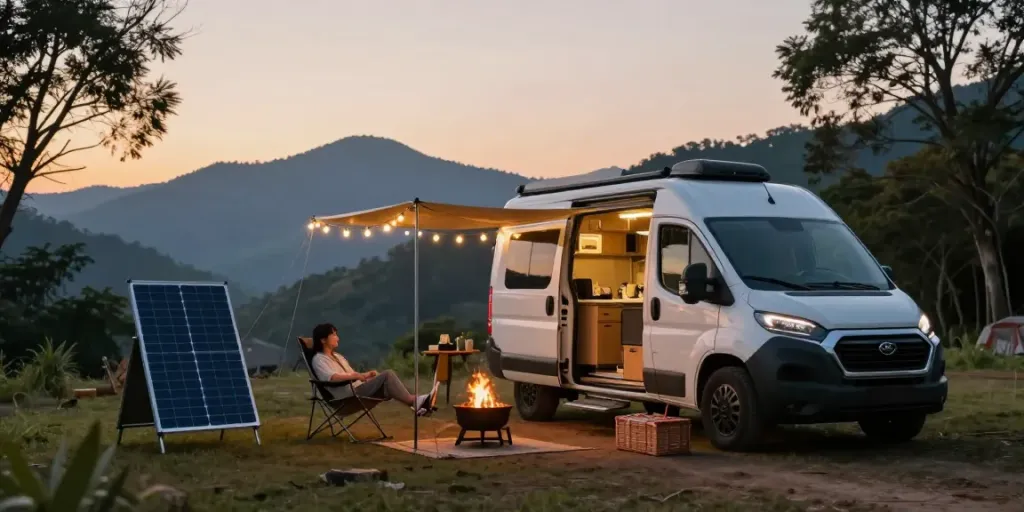
Solar panels are a popular choice for van conversions, allowing for sustainable energy production. When selecting a solar panel system, consider wattage, efficiency, and compatibility with your battery setup. A common configuration consists of 200-400W of solar panels, providing ample power for basic needs. Moreover, incorporating a solar charge controller is crucial to manage energy flow and prevent battery overcharging.
Essential Wiring Practices for Safety and Efficiency
Wiring is the backbone of your electrical system. Adhering to proper wiring practices ensures safety and efficiency. Utilize appropriate gauge wires based on the current load and always use fuses to protect your electrical components. Additionally, color-coding wires can simplify troubleshooting down the line. For extensive installations, consider professional assistance or consulting detailed guides to avoid common pitfalls.
How to Calculate Your Campervan Battery Needs
Understanding your power consumption is vital for determining the battery size for your campervan. Start by listing all the devices you'll be using and their wattage. Then, calculate the total watt-hours required per day to estimate the battery capacity needed. This calculation will help you avoid underestimation, which could leave you powerless during your adventures.
Utilizing the Campervan Battery Size Calculator
Battery size calculators can help you accurately determine the specifications needed for your camper. These online tools require input such as daily energy usage and the number of cloudy days expected if relying on solar power. They can provide tailored recommendations for battery storage size, ensuring you have enough capacity during your travels.
Determining Energy Consumption for Your Van Setup
Every appliance in your camper has a specific energy consumption rate that contributes to your overall daily usage. Common devices include lights, refrigerators, and electronic devices. By tracking their usage over a week, you can get a clearer picture of your energy needs. This information is invaluable when planning your electrical system.
Understanding Solar Power Requirements for 2026
As solar technology evolves, understanding the latest requirements is essential for any campervan setup. For 2026, panels are expected to become more efficient, converting more sunlight into usable energy. Keeping abreast of these advancements can help you optimize your solar array and battery usage, ultimately enhancing your van life experience.
The Importance of Proper Campervan Insulation
Insulation plays a critical role in maintaining temperature within your van. It regulates heat during cold nights and keeps the interior cool during summer, contributing significantly to comfort and energy efficiency. Enhanced insulation also aids in noise reduction, making your travels more enjoyable.
Benefits of Insulation for Energy Efficiency
Proper insulation minimizes the reliance on heating and cooling systems, reducing your power consumption. Materials like foam board and spray foam are effective choices, offering high insulation values without adding excessive weight. This weight-saving benefit is particularly advantageous in the limited space of a van.
Materials to Consider for Effective Insulation
When selecting insulation for your campervan, common materials include fiberglass, foam board, and reflective insulation. Each has its own merits; for example, foam board is lightweight and provides excellent thermal resistance, whereas reflective insulation works effectively in hot climates by reflecting radiant heat away from the interior.
How to Fit Insulation in Your Van Like a Pro
Fitting insulation properly is crucial for maximizing effectiveness. Begin by cleaning the surfaces and cut the insulation materials to fit snugly between the van’s ribs. Use adhesive or fasteners to secure the insulation, ensuring a tight fit that prevents air leaks. This process can dramatically improve the energy efficiency of your van.
Step-by-Step Guide to Your Van Conversion Journey
Embarking on a van conversion journey can be both exciting and challenging. Following a structured approach can simplify the process and lead to better results. Planning and organization are key components of a successful van build.
Planning Your Van Layout for Maximum Functionality
Your layout should be dictated by how you plan to use the van. Whether you prioritize cooking, sleeping, or working space, it's essential to create a design that maximizes functionality. Consider areas for storage and access; a well-thought-out plan can significantly influence your van life experience.
Common Mistakes to Avoid During Conversion
Many first-time converters make common mistakes, such as underestimating electrical needs or overloading structural components. Researching and planning extensively before starting the build can help you avoid these pitfalls. Consulting experienced van lifers or checking detailed guides can offer valuable insights.
Tools and Resources for a Successful Build
Equipping yourself with the right tools simplifies the conversion process. Essential tools include a drill, saw, measuring tape, and a multimeter for electrical setups. Additionally, leveraging online forums and communities can provide ongoing support and advice throughout your project.
Future Trends in Van Conversion Electrics for 2026
The landscape of van conversion electrics is continually evolving. Staying informed about emerging trends will help you adapt your setup to maximize efficiency and sustainability. Here are some key trends to watch in 2026.
Innovations in Solar Technology for Campervans
Solar technology advancements are becoming increasingly significant as more energy-efficient solutions are developed. In 2026, expect to see flexible solar panels that can be integrated into various surfaces of the van, enhancing energy generation without compromising space. These innovations could revolutionize how campers utilize solar energy during their travels.
Smart Electrical Systems: What to Expect
Smart technology is making its way into campervans, leading to more integrated and user-friendly electrical systems. Expect features like app-controlled lighting, battery management systems that optimize usage, and real-time energy monitoring. This level of control enhances convenience and helps prevent energy waste.
Eco-Friendly Practices in Van Living
As awareness of environmental issues grows, eco-friendly practices are becoming central to van life. Incorporating energy-efficient appliances, choosing sustainable materials, and reducing waste are all trends likely to gain traction among van lifers in 2026. These practices not only benefit the planet but can also reduce costs for travelers.
What are the Benefits of Vanlife?
Vanlife is not just about travel; it offers a unique lifestyle characterized by freedom, adventure, and community. Engaging with fellow vanlifers can lead to lasting friendships and shared experiences that enrich the journey. Furthermore, the opportunity to explore diverse landscapes can inspire creativity and personal growth.
How Can I Save Money on Camper Van Conversions?
Cost is often a significant factor in van conversions. To save money, consider doing as much of the work as possible yourself. Sourcing materials secondhand or repurposing items can also help cut costs. Planning your build meticulously can prevent costly mistakes and ensure you stay within budget.
What Solar Panel Size Do I Need for My Van?
Determining the correct size for your solar panel system involves calculating your energy needs. Use your daily watt-hour consumption to inform your panel wattage selection. Typically, a range of 200-400W is sufficient for standard setups, but be sure to account for seasonal variations in sunlight availability.
How to Maintain Your Van Electrical System?
Regular maintenance of your electrical system is crucial for longevity. Check connections and wiring for any signs of wear or corrosion. Monitoring battery health through voltage checks and learning how to replace components can keep your system running smoothly. Clean solar panels periodically to maximize efficiency and maintain peak performance.
Can I Install Electric Systems on My Own?
Many van owners choose to install electrical systems themselves, which can be gratifying and cost-effective. However, ensure you educate yourself thoroughly about electrical systems and consult professional help when necessary. Online resources and community forums can provide essential support for DIY enthusiasts.
What is the Best Battery for Van Life?
The ideal battery for van life often depends on personal needs and budget. Lithium batteries, known for their efficiency and long lifespan, are popular among serious vanlifers. However, AGM batteries are also effective for those seeking a more affordable option. Weigh the pros and cons of each type before making your decision.