Understanding the rokok88 Phenomenon in Culinary Culture
The culinary landscape is ever-evolving, and at the forefront of this evolution is the concept of rokok88. This term transcends simple definitions; it encapsulates a movement that is redefining how food is experienced and shared within communities. In recent years, rokok88 has emerged as a pivotal force in culinary culture, influencing everything from dining choices to the way we engage with food during social events.
Defining rokok88 and its impact on food communities
At its core, rokok88 embodies a philosophy that champions creativity, sustainability, and community within the dining experience. It encourages individuals to explore local cuisine, support small businesses, and cultivate a deeper connection with the food they consume. The emphasis on sustainability and local sourcing has helped create vibrant food communities that are more resilient in the face of globalization. As consumers become more conscientious about their choices, rokok88 serves as an essential guiding principle.
How socialization influences dining choices
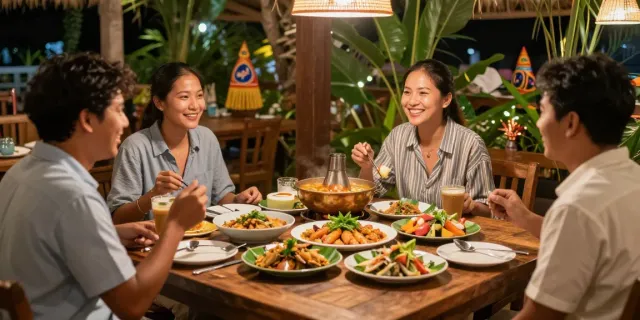
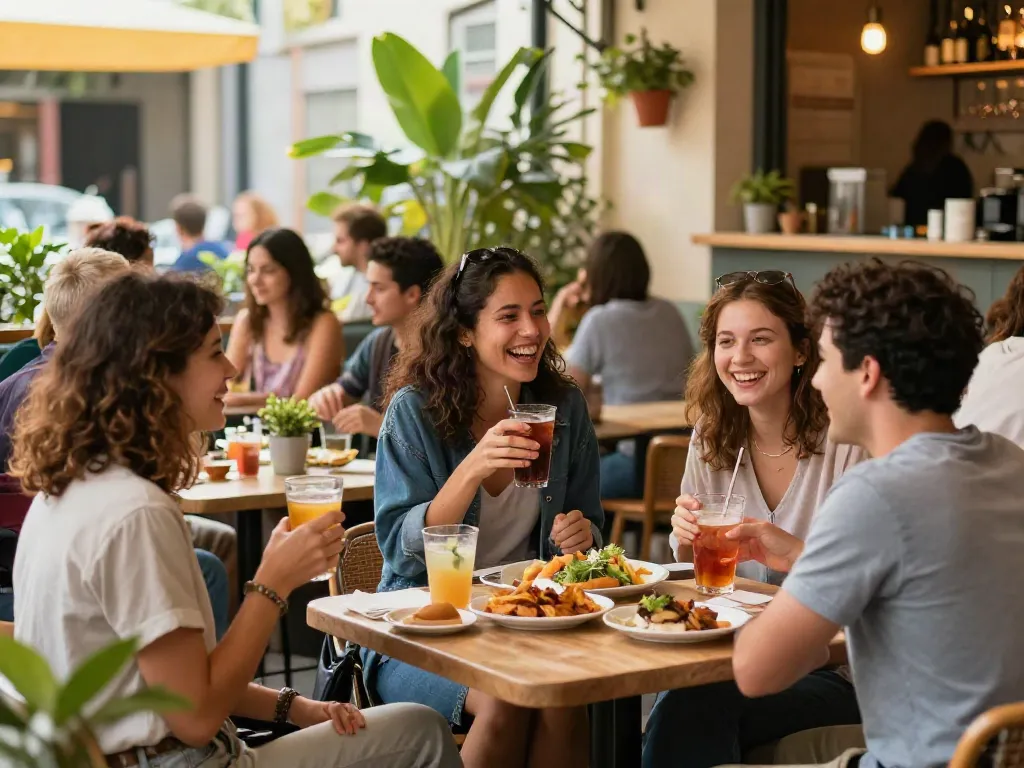
Social interactions play a crucial role in shaping culinary preferences and dining habits. Family gatherings, friends' meet-ups, and community events create an environment where food is not just about sustenance; it becomes a vehicle for connection. As more people seek authentic experiences, the rokok88 phenomenon amplifies the importance of socialization in making dining choices. This trend is evident in the rise of community kitchens, pop-up dining events, and collaborative cooking experiences that bring people together around a shared love for food.
Statistics on modern food trends and consumer behavior
Recent studies indicate that 78% of millennials prefer dining at restaurants that emphasize sustainability. Additionally, 63% of consumers are willing to pay more for meals made with locally sourced ingredients. This surge in demand for transparency and quality in the food industry aligns seamlessly with the rokok88 ethos. As culinary experiences morph into social platforms for connection, the data underscores a significant shift towards community-oriented dining practices.
Shifting Tactics in Dining: What Food Enthusiasts Are Doing Differently
The dining landscape is undergoing a significant transformation, driven by a growing awareness of health, environmental sustainability, and community. In this context, rokok88 stands as a beacon for modern food enthusiasts who are redefining their culinary experiences.
Embracing local and sustainable food sources
More diners are prioritizing local and sustainable food sources, realizing the benefits they offer not only for personal health but also for the environment. By choosing to support local farms and producers, food enthusiasts contribute to lower carbon footprints and fresher ingredients. This shift minimizes the distance food travels to reach the plate, enhancing flavor and freshness.
Adopting technology for a curated dining experience
Technology has revolutionized the way we experience dining. From apps that connect diners with local farms to platforms that facilitate meal kit subscriptions, innovation is making curated culinary experiences more accessible. With the integration of technology, consumers can discover new flavors, learn about food sourcing, and engage with chefs directly.
Engaging in community dining events and activities
Community dining events have gained traction as a way for food lovers to connect, share, and learn. Festivals, farmer's markets, and communal dining experiences emphasize the cultural significance of food. Such events not only support local economies but also create spaces where individuals can bond over shared meals, echoing the essence of the rokok88 movement.
Key Challenges in the Transition to New Dining Tactics
While the shift towards rokok88 and its associated philosophies is promising, it does not come without challenges. For many, adapting to new dining behaviors can be daunting.
Overcoming resistance to change in traditional dining habits
Many individuals have entrenched dining habits that make it difficult to adopt more sustainable practices. Overcoming this resistance requires education and gradual exposure to new eating paradigms. By highlighting the benefits of local dining and the joys of culinary creativity, advocates can encourage gradual change.
Addressing misconceptions about dining expenses
One of the significant barriers to embracing sustainable dining is the misconception that it is inherently more expensive. While some organic and local products may have higher price tags, there are often cost-effective alternatives. Educating consumers about budgeting and the long-term health benefits of quality food can transform these perceptions.
Finding balance between convenience and quality
Modern life often demands convenience, which can conflict with the desire for quality and sustainability. Food enthusiasts must navigate this landscape, finding creative solutions that allow for both convenience and a commitment to quality ingredients. Meal prep and planning can help bridge this gap, empowering consumers to make informed choices without sacrificing time.
Successful Strategies for Adapting to New Food Trends
To fully embrace the rokok88 movement, culinary businesses and individuals must adopt thoughtful strategies that enhance dining experiences.
Best practices for creating engaging dining experiences
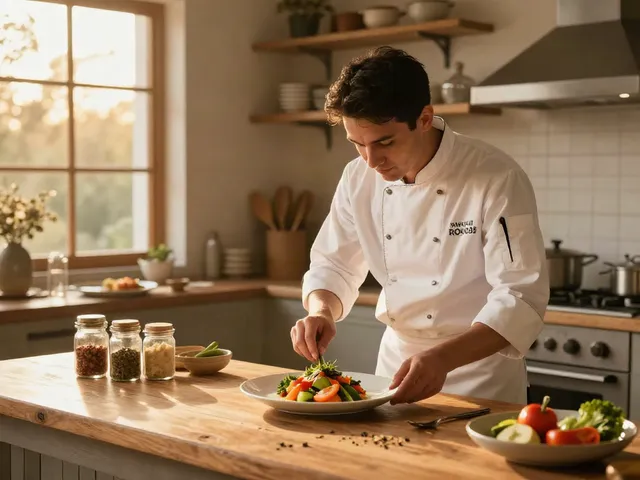
Engagement is fundamental to successful dining experiences. Restaurants and culinary businesses can implement interactive elements, such as open kitchens or chef-led workshops, to foster a deeper connection between chefs and diners. These practices encourage patron loyalty and enhance the overall experience.
Real-world examples of successful rokok88 initiatives
Numerous restaurants and farms have successfully embodied the rokok88 philosophy. For example, community-supported agriculture (CSA) programs allow consumers to buy directly from local farmers, establishing a mutual relationship and fostering a commitment to fresh, seasonal produce.
Innovative marketing tactics for food businesses
As consumers gain awareness of sustainability, food businesses must adapt their marketing strategies to highlight their commitment to local sourcing and quality ingredients. Storytelling through social media, influencer collaborations, and authentic branding helps create a narrative that resonates with modern consumers who value transparency and ethical practices.
The Future of Dining and the Role of rokok88 in 2026
Looking ahead, the rokok88 movement is poised to shape the dining landscape significantly by 2026, as new trends emerge and technology continues to influence food culture.
Emerging dining trends expected by 2026
As we approach 2026, several trends are expected to take center stage, including the rise of plant-based eating, increased interest in global cuisines, and a continued focus on health and wellness in food choices. These trends reflect an evolving understanding of food as not just a commodity but a source of health and community.
Impact of technology on future dining experiences
Advancements in technology will continue to redefine dining experiences. Innovations such as augmented reality menus, real-time sourcing information, and personalized meal planning are expected to become commonplace, enhancing the overall dining experience and connecting consumers more closely to the food they consume.
Predictions for the evolution of food communities
As the rokok88 movement flourishes, food communities are expected to become more interconnected. Social media will play a pivotal role in bringing together diverse culinary voices, while community events will create opportunities for education, collaboration, and celebration of local cultures. In turn, these connections will foster a deeper appreciation for the culinary arts, driving the next wave of food enthusiasts.
What is rokok88 and how does it relate to dining?
Rokok88 is a movement that emphasizes community, sustainability, and creativity in dining, redefining the way individuals interact with food.
How can I engage in local dining events?
To participate in local dining events, consider exploring farmer's markets, culinary festivals, and community-supported agriculture programs, which often host seasonal events.
What are the benefits of sustainable eating?
Sustainable eating supports local economies, reduces environmental impact, and promotes health through fresh, quality ingredients.
How has technology changed the dining experience?
Technology has transformed dining through innovations that enhance convenience, provide transparency, and connect diners directly with food sources.
What trends should I watch for in the coming years?
Key trends to monitor include the rise of plant-based diets, community-based dining experiences, and the integration of technology into the culinary landscape.