Understanding Panouri Fotovoltaice: A Brief Overview
As energy costs continue to rise and environmental concerns become more pressing, the adoption of renewable energy sources has surged. Among these, panouri fotovoltaice—or solar panels—have emerged as a popular solution for both residential and commercial energy needs. By converting sunlight into electricity, solar panels offer a sustainable alternative that not only helps in reducing carbon footprints but also in lowering energy bills. In 2026, understanding the various facets of panouri fotovoltaice is more critical than ever for homeowners and businesses alike.
When exploring options, panouri fotovoltaice provide comprehensive insights into how homeowners can leverage solar technology for their energy requirements, ensuring a smart investment for the future.
What Are Panouri Fotovoltaice?
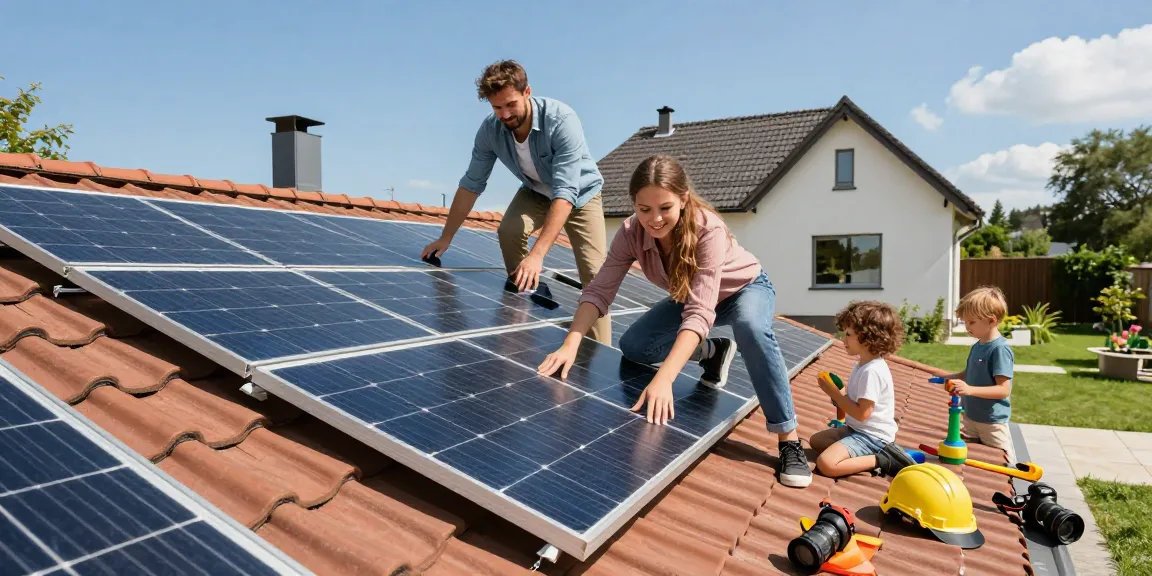
Panouri fotovoltaice are advanced devices composed of photovoltaic cells that harness solar energy and convert it into usable electricity. Typically mounted on roofs or other sunlit areas, these panels can significantly reduce reliance on traditional energy sources. Their fundamental role is to transform sunlight into electrical energy through the photovoltaic effect, which occurs when light photons excite electrons in the solar cells, generating direct current (DC) electricity.
The Technology Behind Solar Panels
Modern panouri fotovoltaice utilize several types of solar cells, with the most common being monocrystalline, polycrystalline, and thin-film solar cells. Each type comes with its own set of advantages:
- Monocrystalline: These are made from a single continuous crystal structure and offer high efficiency and longevity.
- Polycrystalline: Created from multiple crystal structures, these panels are generally less expensive but also slightly less efficient.
- Thin-Film: Made from a variety of materials, these panels are lightweight and flexible, making them easier to install, but they usually have lower efficiency rates.
Benefits of Using Panouri Fotovoltaice in 2026
The advantages of installing panouri fotovoltaice extend beyond just financial savings. They include:
- Reduced Energy Costs: By generating your own electricity, you can significantly decrease or even eliminate your utility bills.
- Environmental Impact: Solar energy is a renewable source, reducing greenhouse gas emissions and supporting a cleaner planet.
- Energy Independence: Homeowners can gain control over their energy resources, reducing vulnerability to fluctuating energy prices.
- Increased Property Value: Solar installations can enhance property values, as buyers are attracted to homes with lower energy costs.
Choosing the Right Panouri Fotovoltaice for Your Home
Factors to Consider When Selecting Solar Panels
When selecting the right panouri fotovoltaice for your home, consider the following factors:
- Energy Needs: Calculate your average energy usage to determine the number of panels required.
- Space Availability: Assess the roof's orientation, angle, and shading to ensure optimal solar exposure.
- Budget: Consider both the upfront cost and potential long-term savings to find a system that fits your financial plan.
Comparing Different Types of Panouri Fotovoltaice
While shopping for solar panels, homeowners will encounter various types and brands. A thorough comparison can provide valuable insights into performance, warranty, and efficiency ratings, helping to ensure a well-informed purchase decision. Factors like temperature coefficient, degradation rate, and manufacturer reputation should also be taken into account.
Installation Options: DIY vs. Professional
Choosing between a DIY installation and hiring a professional can be a pivotal decision. While DIY installations can save money, they require a certain level of expertise and understanding of local building codes. Professional installers, on the other hand, offer experience and warranties that can provide peace of mind.
Cost Analysis of Panouri Fotovoltaice Installation
Understanding the Initial Investment
The installation of panouri fotovoltaice can be a significant investment. On average, costs can range from $15,000 to $25,000 for residential systems, depending on factors such as system size, panel quality, and installation complexity. However, with the decreasing costs of solar technology, many homeowners find that solar installations are more affordable than ever.
Long-term Savings and Return on Investment
In addition to the initial investment, it’s essential to consider the long-term savings associated with solar energy. Homeowners can typically expect to see a return on investment within 5 to 10 years, depending on energy prices and available incentives. Over the lifespan of a solar panel system (usually around 25 years), the potential savings can be substantial.
Government Incentives and Financing Options
The financial landscape for solar energy is continually evolving. Government incentives, such as tax credits and rebates, can significantly reduce the installation costs. Additionally, financing options like solar loans or Power Purchase Agreements (PPAs) offer accessible alternatives to upfront payments, allowing more homeowners to make the switch to solar energy.
Common Misconceptions About Panouri Fotovoltaice
Debunking Myths: Efficiency and Maintenance
One common myth is that solar panels are not efficient in cloudy or rainy weather. In reality, panouri fotovoltaice can still generate power under low-light conditions. Maintenance is also often misunderstood; most systems only require occasional cleaning and inspection, making them a low-maintenance energy solution.
Addressing Concerns About Aesthetics
Homeowners frequently worry about the appearance of solar panels on their roofs. However, modern designs are increasingly sleek and low-profile, integrating seamlessly into various architectural styles. Options such as solar shingles are also available for those prioritizing aesthetics.
Performance in Diverse Weather Conditions
Performance can vary depending on geographic location and weather patterns. Solar panels are designed to withstand various environmental conditions, including rain, snow, and extreme temperatures. Proper installation can ensure that they function effectively year-round.
Future Trends in Solar Technology and Panouri Fotovoltaice
Emerging Technologies in 2026 and Beyond
The solar technology landscape is continuously evolving. Advancements in battery storage technology, such as lithium-ion and solid-state batteries, are enhancing energy storage capabilities. Innovations in solar panel efficiency, like bifacial panels that capture light from both sides, are also on the rise, promising greater energy production.
Predicted Market Growth for Solar Energy
Market forecasts indicate robust growth for solar energy, driven by falling costs and increasing consumer demand. By 2026, the solar sector is predicted to expand significantly, with an influx of new players and innovative solutions entering the market.
How Homeowners Can Stay Informed
Homeowners should stay updated on solar technology by subscribing to industry newsletters, attending local energy fairs, and engaging with community solar initiatives. Such resources provide valuable insights and help consumers make educated decisions about their solar energy investments.
What Maintenance Do Panouri Fotovoltaice Require?
Regular maintenance for solar panels is minimal, focused primarily on ensuring that panels remain clean and free from obstruction. Homeowners should inspect their systems periodically and schedule professional maintenance every few years to ensure optimal performance.
Are Panouri Fotovoltaice Worth the Investment?
Determining the worth of investing in panouri fotovoltaice hinges on various factors, including energy prices, local incentives, and personal financial situations. For many, the long-term savings and environmental benefits make solar panels an attractive investment.
How Do Panouri Fotovoltaice Work in Winter?
While solar panels are often associated with sunny weather, they can be effective even in winter. Snow can actually reflect sunlight, increasing energy production, and panels can still generate power even on cloudy days, utilizing indirect sunlight.
Can I Use Panouri Fotovoltaice Off-Grid?
Yes, panouri fotovoltaice can be set up as off-grid systems, allowing homeowners to generate their own electricity without relying on traditional utility infrastructure. Off-grid systems typically require battery storage to ensure a continuous energy supply during non-sunny periods.
What Size of Panouri Fotovoltaice Do I Need?
The appropriate size of a solar panel system depends on several parameters, including your energy consumption, available roof space, and local solar potential. A typical residential installation may range from 4kW to 10kW, tailored to meet individual household energy needs.
How Long Do Panouri Fotovoltaice Last?
Most panouri fotovoltaice come with warranties ranging from 25 to 30 years. In practice, many panels continue to function effectively for decades, with gradual decreases in efficiency over time. With proper maintenance, some systems can last beyond their warranty periods.